
The Style Guide
The Major Traditions of American Barbecue
9 distinct regional traditions. Each with its own theology of smoke, sauce, and meat. Each worth understanding before you eat.
Midwest
Kansas City
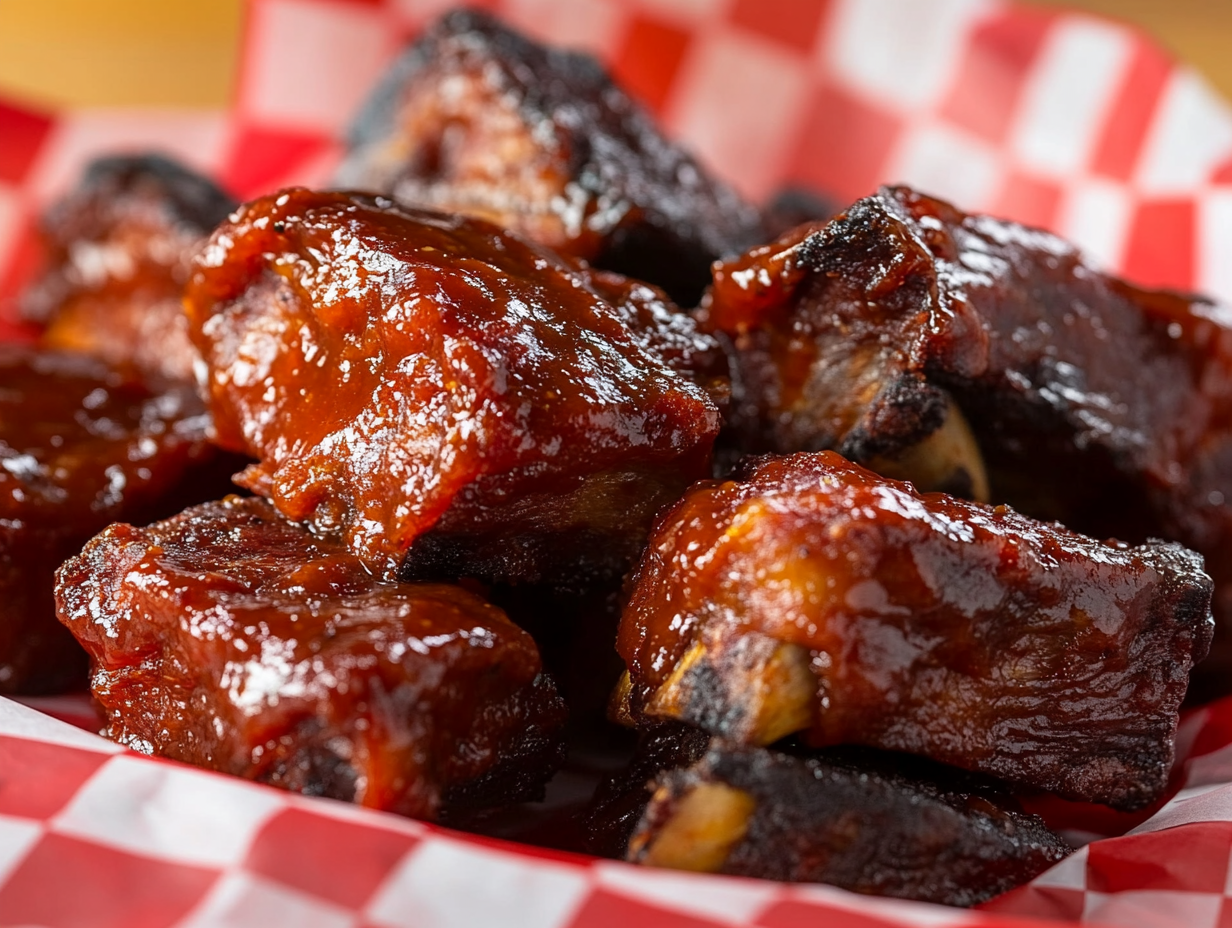
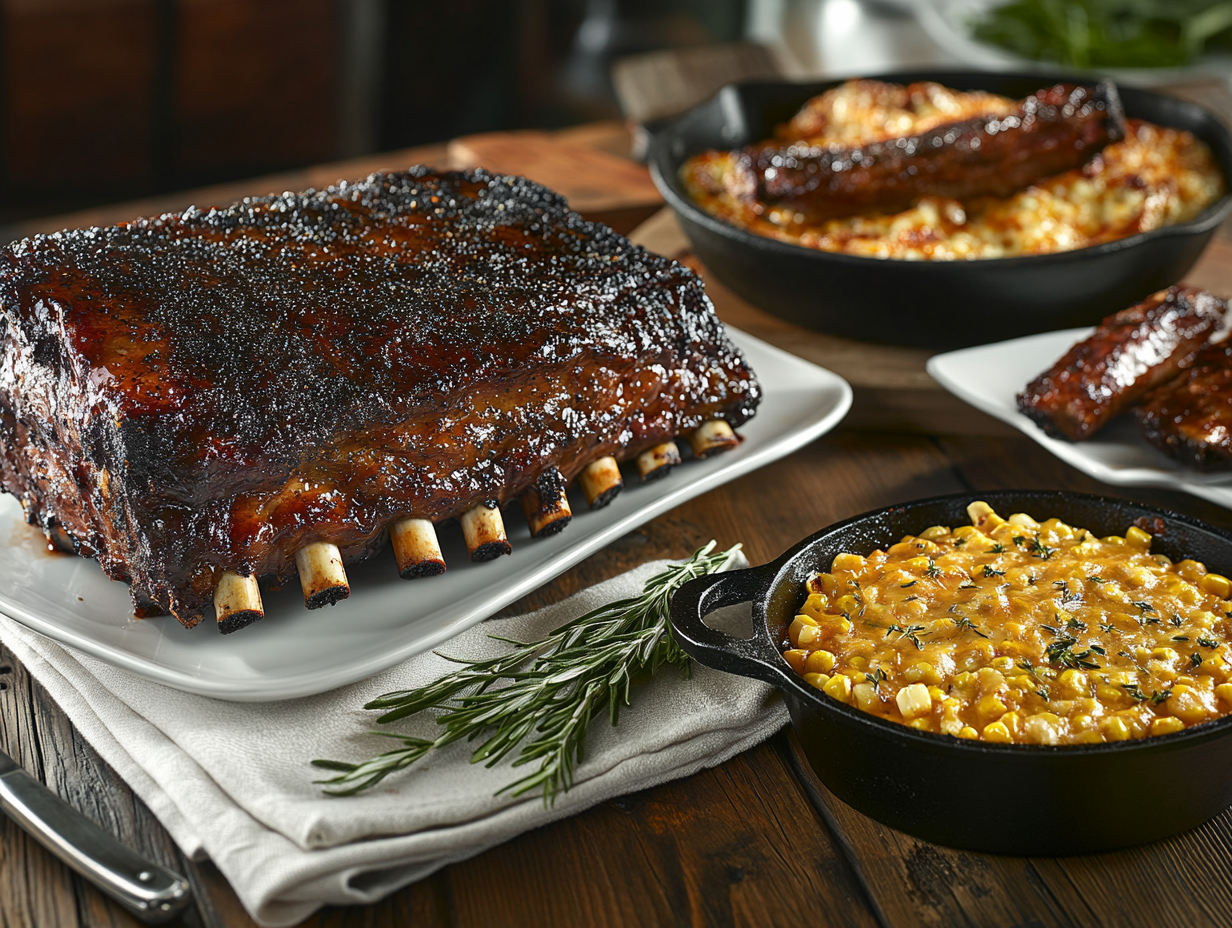
Kansas City BBQ is the great democratizer — it works on everything from brisket to chicken to turkey. The sauce is the signature, but the real genius is the burnt end: a twice-smoked cube of brisket point that concentrates smoke, fat, and caramelized bark into a single transcendent bite. No other regional style has produced a dish this universally beloved.
Signature Meat
Burnt Ends (brisket point)
Wood
Hickory
Sauce Style
Thick tomato-molasses, sweet and tangy
States
Missouri, Kansas
Flavor Profile
Sweet, smoky, and saucy. Tomato-and-molasses base with deep caramelization.
Technique
Low-and-slow over hickory. Brisket point double-smoked for burnt ends. Ribs cooked to fall-off-bone.
South-Central
Texas Brisket
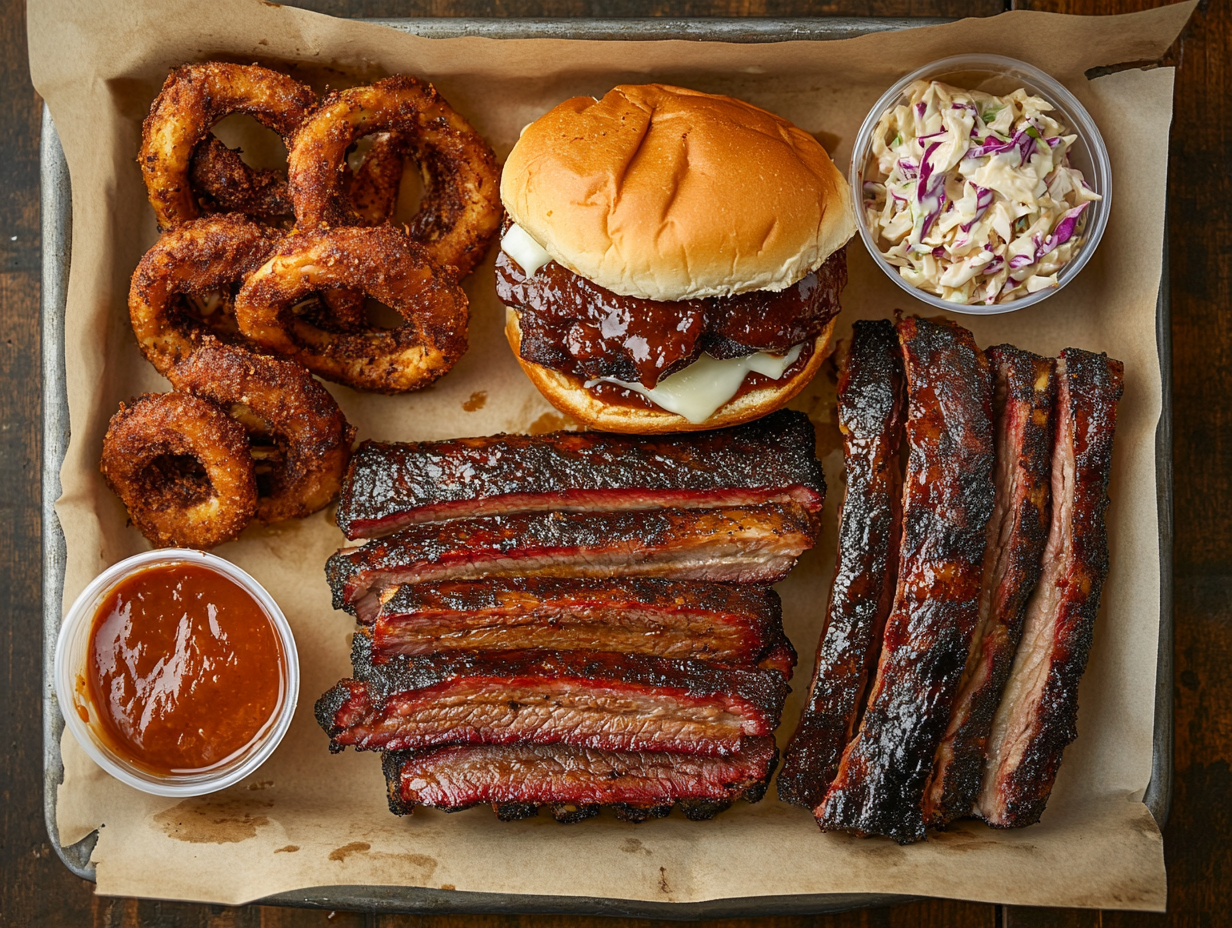
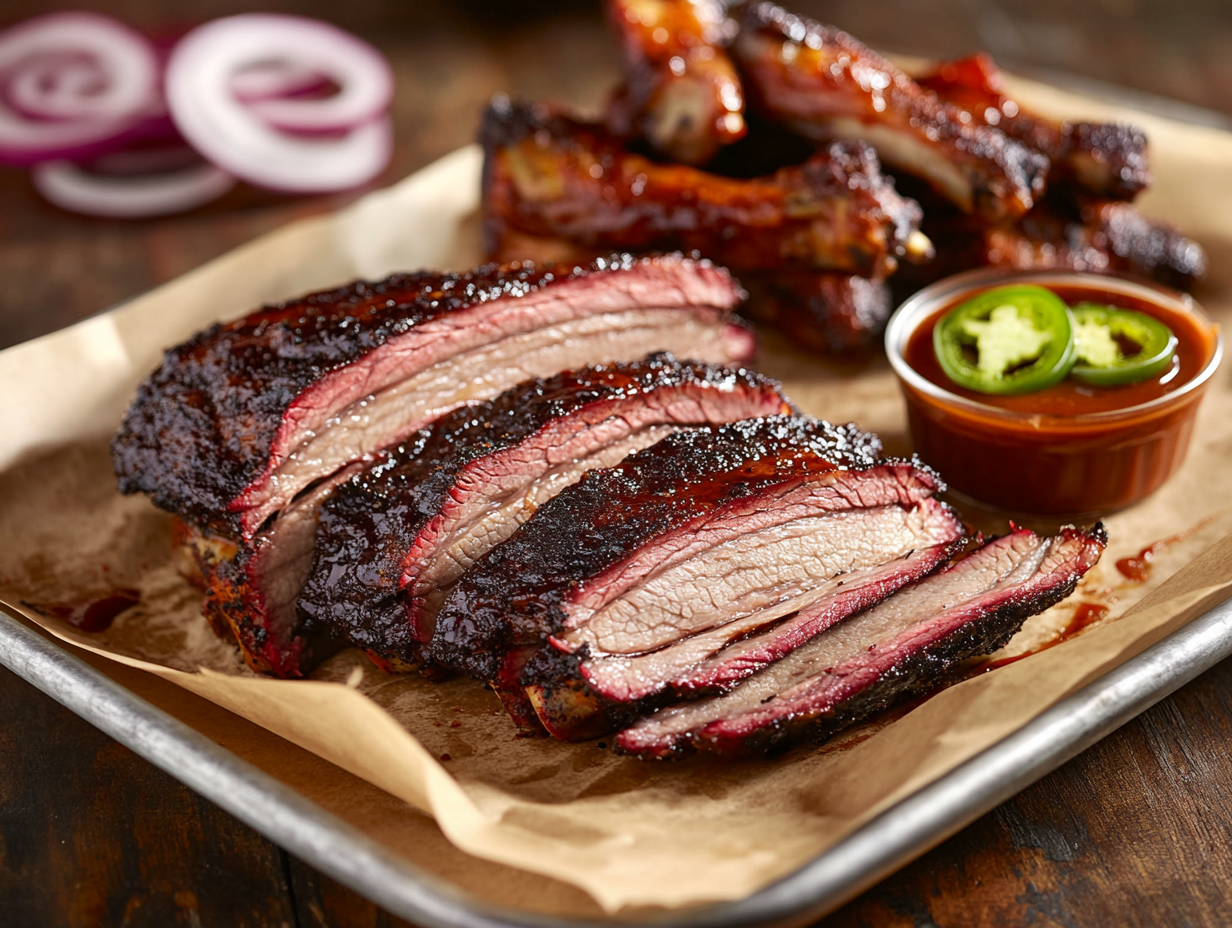
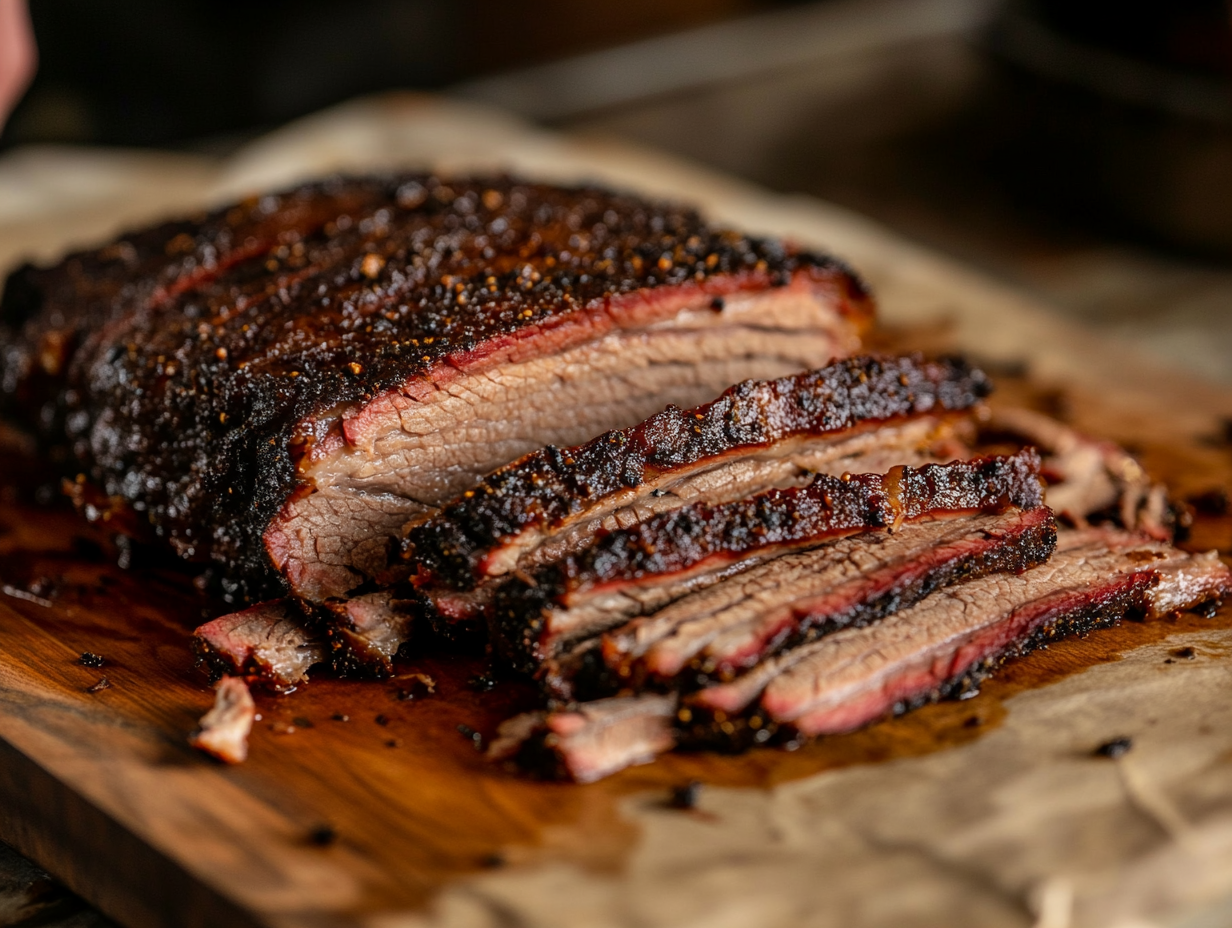
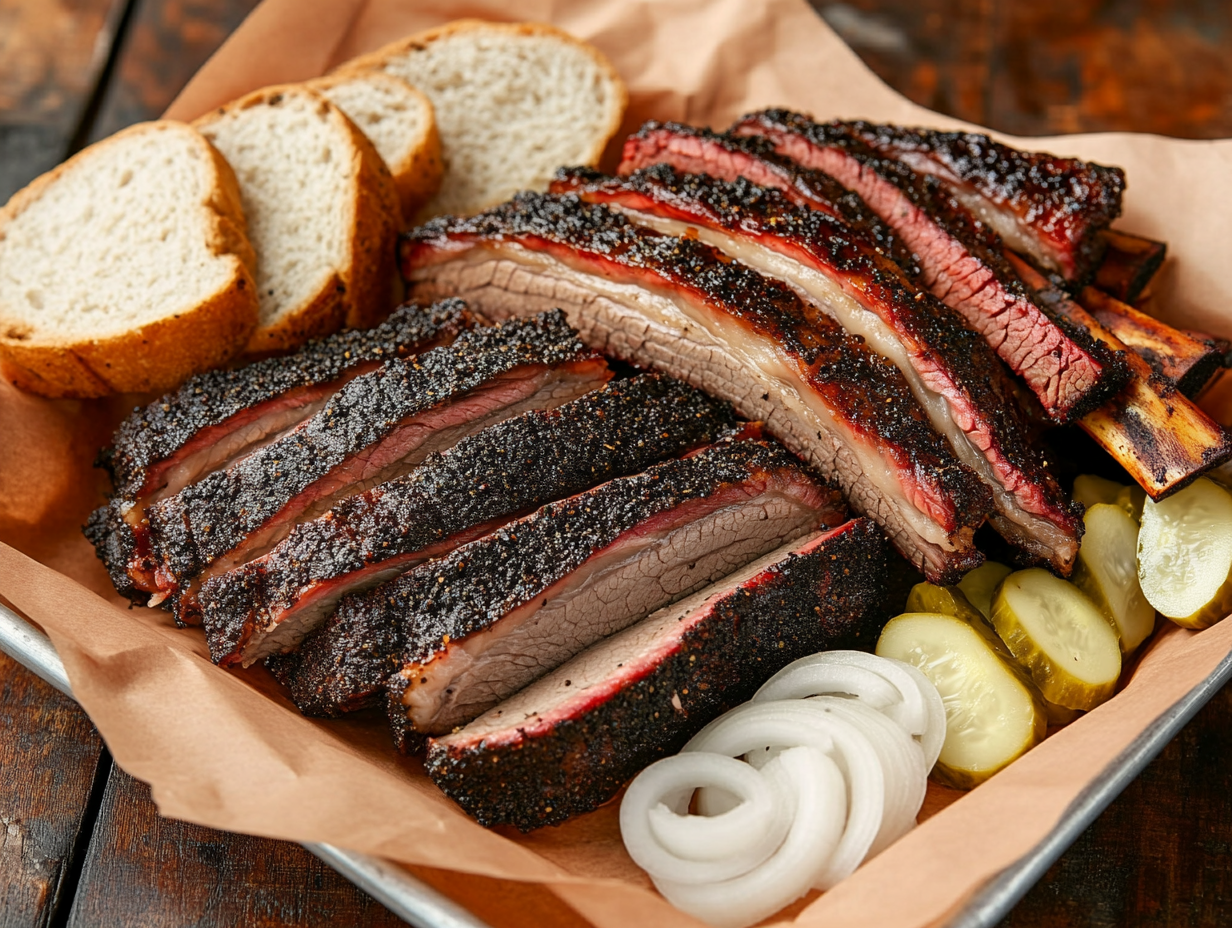
Central Texas BBQ is the most imitated style in the world, and the hardest to replicate. The post oak smoke imparts a flavor that is clean and slightly sweet — nothing like the aggressive hickory of the Midwest. The brisket must be cooked whole, with the fat cap intact, for the intramuscular fat to render properly. The result, when done right, is a slice of meat that needs nothing — no sauce, no sides, no explanation.
Signature Meat
Whole Packer Brisket
Wood
Post Oak
Sauce Style
None (sauce considered an insult)
States
Texas
Flavor Profile
Beef-forward, peppery, smoky. The fat renders into the meat. No sauce required.
Technique
Post oak smoke, 12–16 hours at 250°F. Salt-and-pepper rub only. The bark is everything.


Mid-South
Memphis Dry Rub
Memphis dry rub ribs are the most technically demanding rib preparation in American BBQ. The rub — typically paprika, garlic, onion, cayenne, and a dozen other spices — must be applied hours before cooking to form a proper crust. The smoke must be consistent. The temperature must be controlled. The result is a rib with a bark that crackles, a smoke ring that runs deep, and a flavor that needs no sauce to complete it.
Signature Meat
Spare Ribs (dry rubbed)
Wood
Hickory
Sauce Style
Thin, vinegar-based, served on the side
States
Tennessee
Flavor Profile
Paprika-forward, peppery, with a deep hickory smoke. The bark is the star.
Technique
Ribs rubbed with spice blend, smoked over hickory, finished dry. Sauce on the side, if at all.


Southeast
Carolina Whole Hog
Carolina whole hog BBQ is the oldest continuous BBQ tradition in America, with roots in the colonial era. The whole hog — cooked over hardwood coals for most of a day — produces a range of textures and flavors that no other cut can match: crispy skin, fatty shoulder, lean ham, and everything in between. The vinegar sauce is not a condiment; it is a seasoning that brightens and balances the richness of the pork.
Signature Meat
Whole Hog (all parts)
Wood
Hickory or Oak
Sauce Style
Eastern NC: thin vinegar-pepper. Western NC: Lexington-style with tomato addition.
States
North Carolina, South Carolina
Flavor Profile
Tangy, vinegar-forward, with a clean pork flavor. The smoke is secondary to the acid.
Technique
Whole hog cooked over hardwood coals in a cinder block pit, 12–18 hours. Basted with vinegar-pepper sauce.


Deep South
Alabama White Sauce
Big Bob Gibson invented white sauce in Decatur, Alabama in 1925, and it remains one of the most distinctive regional BBQ sauces in America. The combination of mayonnaise and apple cider vinegar creates a sauce that is simultaneously rich and acidic — it coats smoked chicken with a tangy gloss that is unlike anything else in the BBQ canon. The style never spread far beyond North Alabama, which is either a tragedy or a well-kept secret, depending on who you ask.
Signature Meat
Smoked Chicken
Wood
Hickory
Sauce Style
White: mayonnaise, apple cider vinegar, black pepper, horseradish
States
Alabama
Flavor Profile
Tangy, creamy, peppery. Mayonnaise-based sauce cuts through smoke with acidity.
Technique
Chicken smoked over hickory, finished with white sauce. Also applied to pork.

South-Central
Texas Beef Ribs
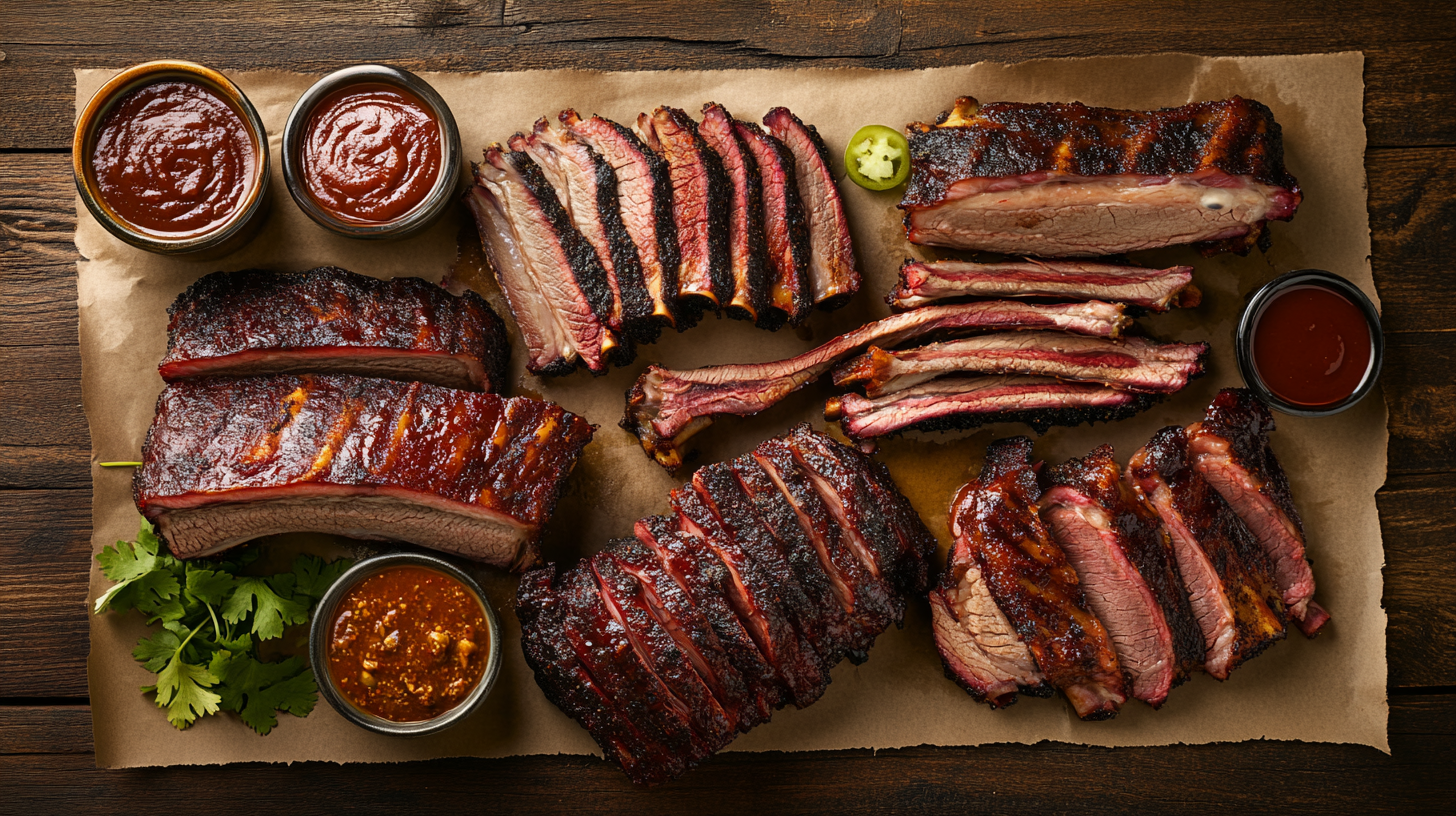
The beef rib is the most dramatic presentation in American BBQ — a single bone that can weigh over a pound, wrapped in a thick cap of rendered fat and mahogany bark. It emerged from the Central Texas tradition as pitmasters began applying brisket techniques to the plate rib. The result is a cut that is simultaneously more forgiving than brisket and more spectacular in presentation. When a beef rib is done right, it barely needs to be cut — the meat slides from the bone with the gentlest pressure.
Signature Meat
Beef Plate Ribs (short ribs)
Wood
Post Oak
Sauce Style
None
States
Texas
Flavor Profile
Massive, beefy, intensely smoky. The fat cap renders into the meat over hours.
Technique
Plate ribs smoked over post oak at 275°F for 8–10 hours. Salt-pepper-garlic rub only.


Carolinas
Lexington-Style
Lexington, or Piedmont, barbecue is North Carolina's other whole-animal tradition — built on the pork shoulder rather than the whole hog. Shoulders are cooked low and slow over hardwood coals until they can be chopped or sliced, then dressed with a thin, peppery tomato-and-vinegar sauce the locals simply call 'dip.' The same dip flavors the region's signature red slaw, made without a drop of mayonnaise. The style traces to courthouse-square tent cooks in the early 1900s and was codified by pitmaster Warner Stamey; Davidson County calls itself the Barbecue Capital of the World, and the best pits there still cook over real wood.
Signature Meat
Pork Shoulder
Wood
Hickory and oak
Sauce Style
Thin tomato-and-vinegar "dip"; red slaw dressed with the same
States
North Carolina
Flavor Profile
Smoky, tangy, lightly sweet. A thin tomato-and-vinegar "dip" over chopped pork shoulder.
Technique
Pork shoulders cooked low and slow over hardwood coals in brick pits, then chopped or sliced.
Upper South
Western Kentucky
Western Kentucky is America's mutton country, centered on Owensboro and its annual International Bar-B-Q Festival. It is the one corner of the barbecue map where the meat of choice is sheep: older mutton is slow-smoked over hickory coals in masonry pits until the dark, assertive meat turns tender, then chopped or sliced and mopped with a thin, tangy black dip built on Worcestershire and vinegar. Alongside it comes burgoo, a thick, long-simmered stew that is the region's other signature. Old Hickory has cooked mutton in Owensboro since 1918, and no other American barbecue tradition tastes quite like it.
Signature Meat
Mutton
Wood
Hickory
Sauce Style
Thin Worcestershire-and-vinegar black "dip"
States
Kentucky
Flavor Profile
Deep, gamy, and smoky. Mutton mopped with a thin Worcestershire-and-vinegar black dip.
Technique
Older sheep slow-smoked over hickory in masonry pits; burgoo, a thick meat stew, simmered alongside.
Lower Midwest
St. Louis
St. Louis barbecue is one of America's most distinctive and underrated traditions, built less on the all-day Texas smoke than on the grill, the fryer, and a deep soul-food lineage on the city's North Side. Its signatures are unmistakable: the pork steak, a shoulder cut grilled and simmered in sauce; the crispy pork snoot; and the St. Louis-cut spare rib, all finished with a sweet, sticky, tomato-based sauce that much of the country now buys in a bottle. A modern renaissance has pushed brisket and burnt ends alongside the classics, but the snoot counters of North City still keep the oldest flame.
Signature Meat
Pork Steak
Wood
Hickory and oak
Sauce Style
Sweet, sticky, tomato-based
States
Missouri, Illinois
Flavor Profile
Sweet, sticky, tomato-based. Grill-forward, with a deep soul-food lineage.
Technique
Pork steaks and St. Louis-cut ribs grilled and slow-smoked; pork snoots fried crisp, all sauced.